
Can we re-imagine global intellectual property (IP) frameworks to make cutting-edge scientific knowledge available and barrier-free to a majority of the world’s population.
How can generative artificial intelligence (genAI) for human language translation solve the huge disparity in access to scientific literature? While scientific talent and knowledge is distributed throughout humankind and all countries would benefit from multi-directional access to knowledge, language differences unnecessarily impede the flow of scientific exchange. For example, over 90 percent of the current scientific publications are in English but less than 25 percent of the world’s population is proficient in English.
Besides language barriers, legal barriers to scientific knowledge exchange unnecessarily perpetuate on-going inequities in the distribution of global research and development capacity because translation rights are frequently assigned to scientific publishers through copyright laws. How can these issues be addressed by changes to global legal frameworks? Can the problem be solved in a similar way to the how the World Intellectual Property Organization’s (WIPO) Marrakesh Treaty eventually mandated access to works for print-disabled individuals? What is the role of high-quality repositories of scientific abstracts?
Can we meet UN Sustainable Development Goals 9 (“Industry, innovation, and infrastructure”) and 17 (“Partnership for the goals”), which both concern technology?
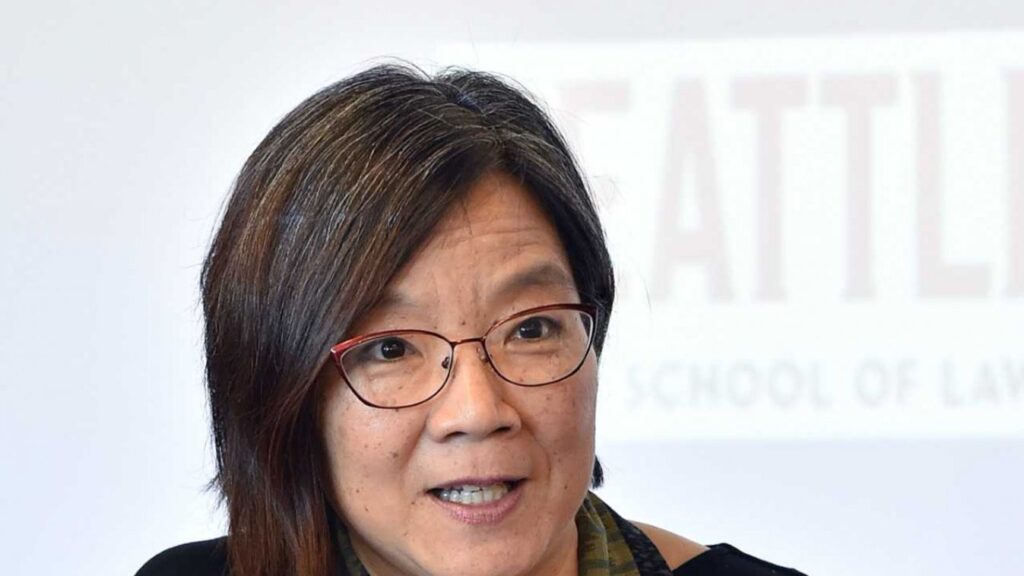
Join Maggie Chon for an insightful evening at Villa Barton, on the lake in Parc Mon Repos.
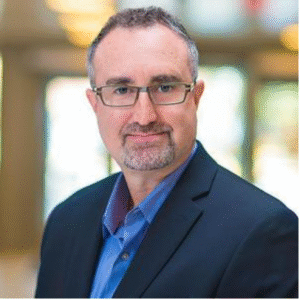
Margaret Chon is the Faculty Director, Technology, Innovation Law, and Ethics (TILE) Institute in the Donald and Lynda Horowitz Endowed Chair for the Pursuit of Justice at the SEATTLE UNIVERSITY SCHOOL OF LAW. Professor Chon is also a visiting scholar at the Geneva Graduate Institute.